Disclaimer: This Inside South Florida segment is sponsored by Wells Fargo. All opinions and views are of the advertiser and does not reflect the same of WSFL-TV.
Artificial intelligence is making scams increasingly difficult to recognize, creating new challenges for consumers trying to protect their money and personal information.
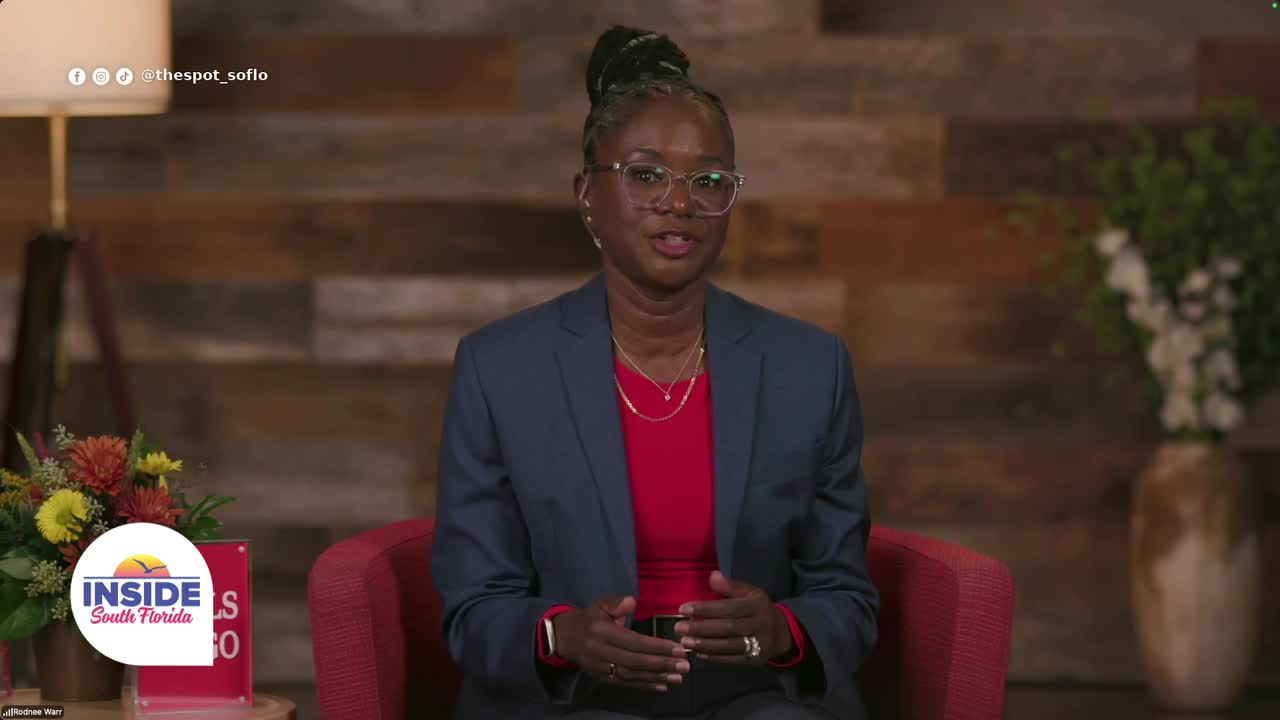
Rodnée Warr, executive director of Elder Client Initiatives at Wells Fargo, shared tips for recognizing common scams and explained why older adults can be particularly vulnerable to fraud during the holiday season.
Why Older Adults Can Be Vulnerable
While scammers target people of all ages, Warr says two factors can make some older adults particularly susceptible: time and money.
Retired adults may have more time to answer calls or respond to unsolicited text messages. They may also have access to Social Security benefits, pensions, investments, available credit and equity in their homes.
That combination can make older adults attractive targets for criminals attempting to steal money through convincing scams.
AI Can Impersonate Someone You Love
One growing concern involves scammers using AI to impersonate family members.
Warr says AI has changed the fraud landscape, making it increasingly difficult for consumers to distinguish a legitimate interaction from an impersonation attempt.
One simple precaution families can take is establishing a secret word or phrase.
If someone receives an unexpected call or message supposedly from a loved one asking for money or emergency assistance, the family phrase can provide another way to verify that the person is really who they claim to be.
Be Careful When Shopping Online
Holiday shopping also gives scammers another opportunity to target consumers.
Warr warns that criminals can create fake websites that impersonate legitimate retailers, potentially tricking shoppers who are searching online for holiday deals.
Consumers should take an extra moment to verify that they're buying from the legitimate retailer rather than trusting an unfamiliar website simply because it appears authentic or offers an attractive price.
Verify Before Donating to Charity
Generosity during the holiday season can also be exploited.
Warr says scammers may impersonate charitable organizations in an attempt to collect money from people who believe they're supporting a legitimate cause.
Before donating, consumers should verify the charity directly through a trusted source and make sure the organization requesting money is legitimate.
Education Can Be an Important Defense
Warr emphasizes education as an important part of preventing fraud. According to the interview, Wells Fargo has supported approximately 20 nonprofit organizations that educate older adults, their families and communities about scams and fraud.
As AI makes impersonation increasingly sophisticated, slowing down, verifying unexpected requests, and having a family authentication phrase can provide additional safeguards against scams.
This story was reported on-air by a journalist and has been converted to this platform with the assistance of AI. Our editorial team verifies all reporting on all platforms for fairness and accuracy.