
Disclaimer: This Inside South Florida segment is sponsored by Energy Innovation. All opinions and views are of the advertiser and does not reflect the same of WSFL-TV.
Florida families could see higher energy costs over the next 15 years, according to an analysis from Energy Innovation examining the potential impact of federal energy policies on household expenses.
Robbie Orvis of Energy Innovation discussed the findings and what the organization says consumers and state governments can do to address rising energy costs.
Analysis Projects $6,300 in Additional Costs for Average Florida Family
According to Orvis, Energy Innovation projects that energy policies implemented by the president and Congress since January 2025 will result in Florida households collectively paying an additional $69 billion in energy costs over the next 15 years. The figure includes electricity, natural gas, and gasoline expenses.
For the average Florida family, Orvis said the analysis projects approximately $6,300 in additional costs over 15 years, with increases surpassing $700 in some years.
These figures are projections from Energy Innovation, rather than observed future costs.
What's Driving the Projected Increase?
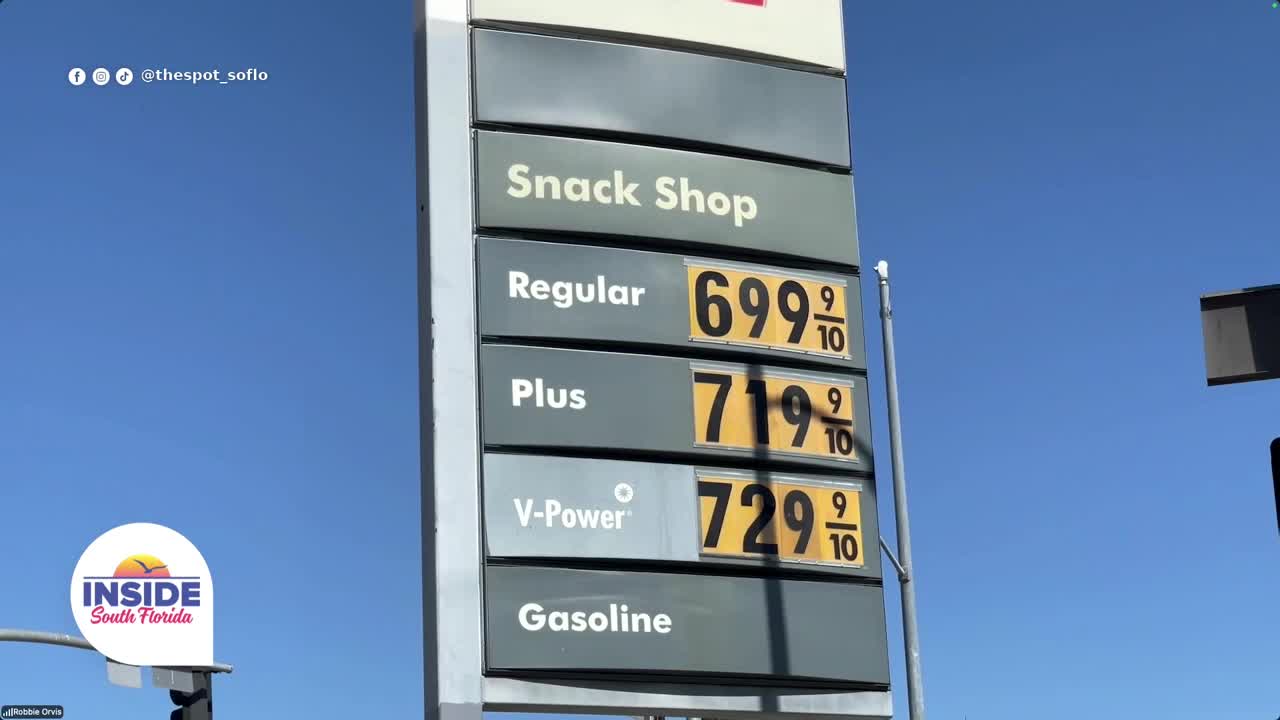
Orvis pointed to rising prices for fossil fuels such as natural gas, gasoline, and diesel as one factor affecting consumers.
He also argued that federal policies have made it more expensive and difficult to build energy technologies that could help shield consumers from fossil fuel price increases.
What Can Florida Consumers Do?
Orvis said families and businesses have options to consider if they want to reduce their energy expenses.
He pointed to rooftop solar and energy-efficient electric equipment as examples of technologies consumers can install in their homes. Orvis also said Florida is the second-largest solar market in the country.
The Role of State Governments
State governments can also play a role in energy affordability, according to Orvis.
He said many states already offer incentives for energy technologies and are working to build additional clean energy resources. He argued that states can accelerate those efforts by reducing barriers to installing wind, solar, and battery projects.
For more information about the analysis, the segment directs viewers to EnergyInnovation.org.
This story was reported on-air by a journalist and has been converted to this platform with the assistance of AI. Our editorial team verifies all reporting on all platforms for fairness and accuracy.